A whistle is a small device that is either handheld or mouth-operated and makes a high-pitched noise when a person forces the air through it. The noise is created by blowing, mechanical motion, or pressurized gas.
How a Whistle Works
The basic idea of a whistle is:
Air Flow: Air is pushed or forced into a narrow channel.
Resonance Chamber: The resonance chamber is struck by the airflow and causes the internal air to oscillate.
Sound Emission: These vibrations produce the sharp noise that is issued through a vent.
Certain whistles actually have a pea (little ball inside) in order to get a warbling or trilling effect.
Types of Whistles
🔉 By Sound Type
Pea Whistle: Fitted with a small ball that oscillates providing a warble.
Pealess Whistles: Nothing to obstruct sound, nothing to jam, break or freeze; one piece, no-stick co-molded construction.
Ultrasonic Whistles: Send out sound at a certain frequency that is higher than humans can hear them, and are used to send messages to animals such as your pet dog.
🚨 By Function
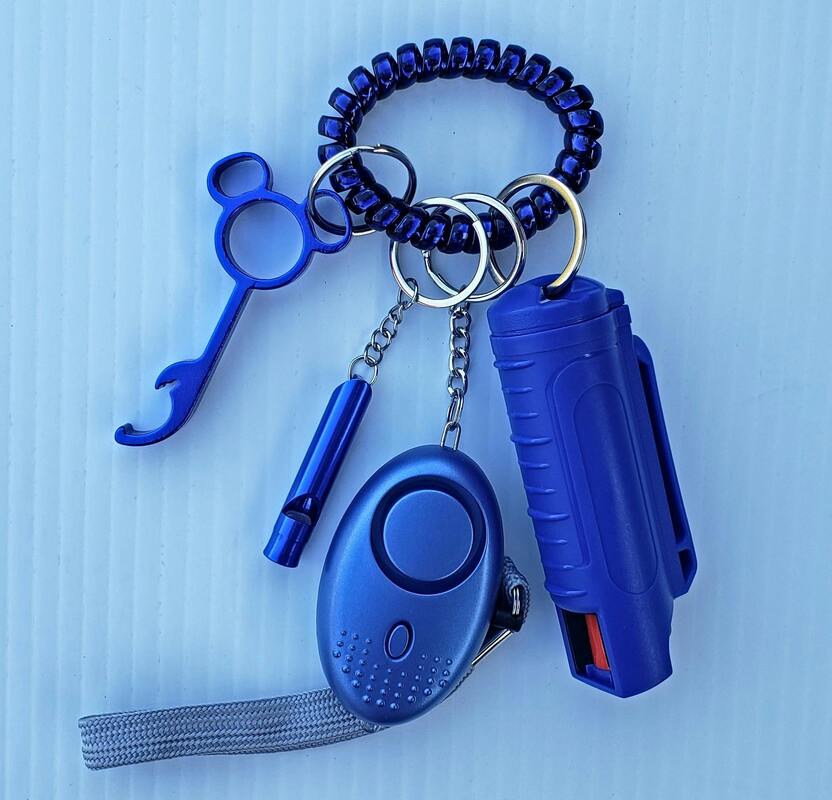
Safety/Rescue Whistle: Loud, tough, and are a regular in a lot of survival equipment.
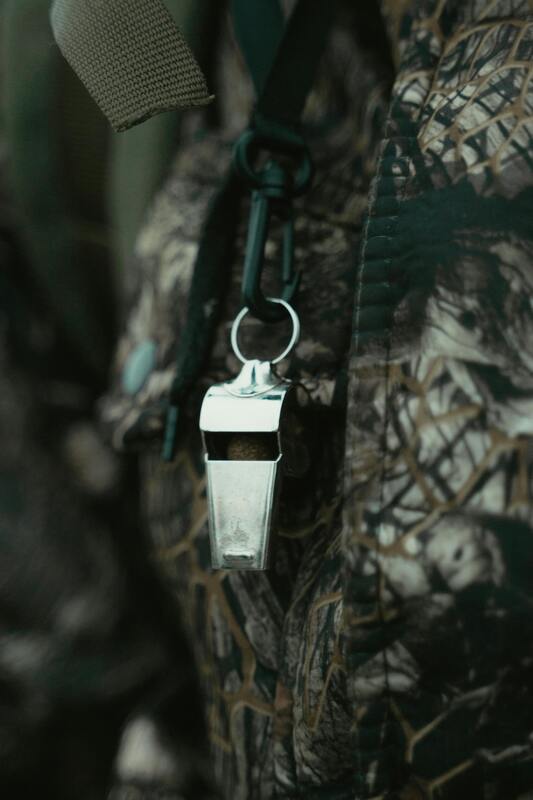
Sports Whistles - Referee Whistles - Coaches Whistles: These are also known as coaching whistles, ref whistles or metal whistles.
Train/Boat Whistles: These are both deep pitched and loud for signaling over long distances.
Toy Whistles: Toys designed for play; usually brightly colored and relatively quiet.
Steam or Air Whistles: (Steam or air pressure) are used where a powerful sound is required, such as in various forms of transportation or in industrial use.
The basic idea of a whistle is:
Air Flow: Air is pushed or forced into a narrow channel.
Resonance Chamber: The resonance chamber is struck by the airflow and causes the internal air to oscillate.
Sound Emission: These vibrations produce the sharp noise that is issued through a vent.
Certain whistles actually have a pea (little ball inside) in order to get a warbling or trilling effect.
Types of Whistles
🔉 By Sound Type
Pea Whistle: Fitted with a small ball that oscillates providing a warble.
Pealess Whistles: Nothing to obstruct sound, nothing to jam, break or freeze; one piece, no-stick co-molded construction.
Ultrasonic Whistles: Send out sound at a certain frequency that is higher than humans can hear them, and are used to send messages to animals such as your pet dog.
🚨 By Function
Safety/Rescue Whistle: Loud, tough, and are a regular in a lot of survival equipment.
Sports Whistles - Referee Whistles - Coaches Whistles: These are also known as coaching whistles, ref whistles or metal whistles.
Train/Boat Whistles: These are both deep pitched and loud for signaling over long distances.
Toy Whistles: Toys designed for play; usually brightly colored and relatively quiet.
Steam or Air Whistles: (Steam or air pressure) are used where a powerful sound is required, such as in various forms of transportation or in industrial use.
|
Materials Used
Plastic (ABS, polycarbonate): Lightweight, durable, water-resistant. Metal (brass, stainless steel, aluminum): Sturdy, produces a sharp sound, used in professional settings. Wood: Commonly found in traditional or musical instruments (e.g., slide whistles). Ceramic or bamboo: Often used in ancient or cultural whistles. |
|
Common Uses
Emergency signaling in wilderness or disaster situations. Sports officiating in games like soccer, basketball, and football. Dog training with high-frequency whistles. Musical instruments, such as slide whistles and ocarinas. Crowd control at events, in law enforcement, or in the military. Transportation signaling, including trains and ships. Toys and celebrations, like party blowers or novelty items. Design Features Chamber Size/Shape: Affects pitch and volume. Mouthpiece: Made for easy airflow. Pea vs. Pealess: Affects tone and reliability. Lanyard Loop or Clip: For easy carrying. Dual-Frequency Ports: Some have two holes to produce different tones. |

|

|
|
Brief History
Ancient Origins: Early whistles were made from bone, clay, or wood. They were used in rituals or hunting.
Industrial Use: In the 1800s, whistles became vital for trains and factories.
Modern Use: They are now common in sports, safety kits, and even smart devices, like digital whistles.
Science Behind Whistles
Frequency: Most human-audible whistles range from 2 kHz to 5 kHz.
Loudness: This is measured in decibels (dB). Safety whistles can reach levels between 100 and 120 dB.
Doppler Effect: Moving sources, such as a train, change pitch because of relative motion.
Fun Variations
Slide Whistle: A musical whistle that has a sliding rod to change pitch.
Whistling Rockets: Fireworks that make a whistling sound due to fast-moving air in chambers.
Bird Whistles: These are designed to mimic bird calls and are often used by hunters or ornithologists.
Ancient Origins: Early whistles were made from bone, clay, or wood. They were used in rituals or hunting.
Industrial Use: In the 1800s, whistles became vital for trains and factories.
Modern Use: They are now common in sports, safety kits, and even smart devices, like digital whistles.
Science Behind Whistles
Frequency: Most human-audible whistles range from 2 kHz to 5 kHz.
Loudness: This is measured in decibels (dB). Safety whistles can reach levels between 100 and 120 dB.
Doppler Effect: Moving sources, such as a train, change pitch because of relative motion.
Fun Variations
Slide Whistle: A musical whistle that has a sliding rod to change pitch.
Whistling Rockets: Fireworks that make a whistling sound due to fast-moving air in chambers.
Bird Whistles: These are designed to mimic bird calls and are often used by hunters or ornithologists.